



Parenting plays a critical role in shaping a child’s personality, emotional health, and overall development. Over the years, psychologists have identified distinct types of parenting styles that influence how children grow and interact with the world. Understanding these styles can help parents evaluate their own approach and make conscious choices to support their child’s growth.
This article explores the major types of parenting styles, their key characteristics, and the impact each has on children.
The Four Classic Types of Parenting Styles
Researchers, including psychologist Diana Baumrind, have outlined four primary types of parenting styles. Each style reflects a different combination of warmth, discipline, communication, and expectations.
1. Authoritative Parenting

Authoritative parents are warm, nurturing, and set clear rules. They encourage independence while maintaining high expectations.
Key Features
High responsiveness and high demands
Open communication and mutual respect
Consistent but flexible discipline
Impact on Children
Children raised in authoritative homes tend to be confident, responsible, and socially skilled. They learn to balance independence with respect for rules.
2. Authoritarian Parenting
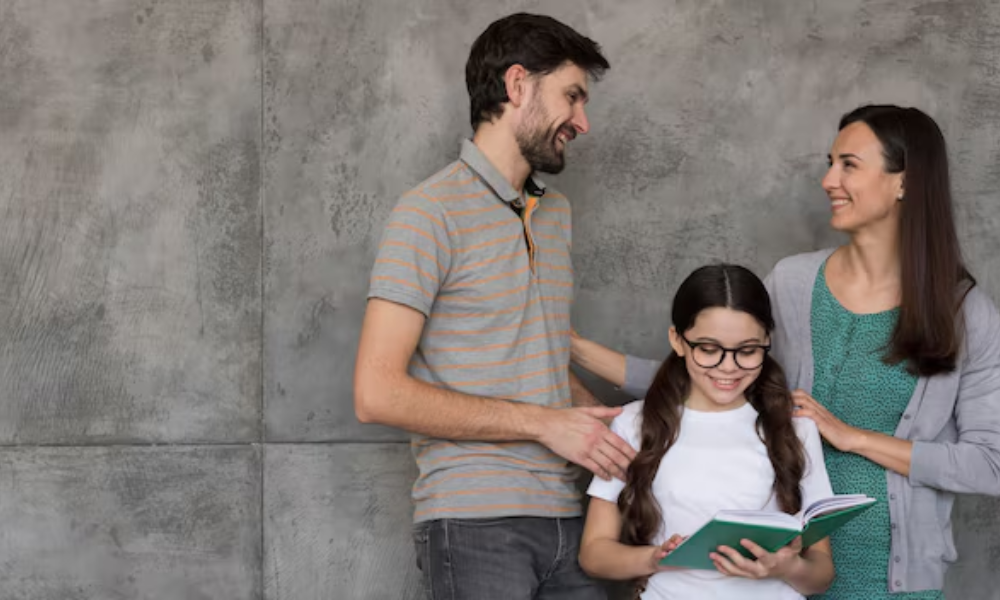
Authoritarian parents enforce strict rules and expect obedience without question. They often value discipline over open dialogue.
Key Features
High demands but low responsiveness
Limited freedom of expression
Emphasis on obedience and control
Impact on Children
Children may become obedient and disciplined, but they often struggle with low self-esteem and may develop anxiety or resentment.
3. Permissive Parenting

Permissive parents are warm and affectionate but provide few rules or guidelines.
Key Features
High responsiveness with low demands
Lenient approach to discipline
Children have significant freedom
Impact on Children
While these children may develop strong social skills and creativity, they can struggle with self-control and may have difficulty following rules.
4. Uninvolved (Neglectful) Parenting
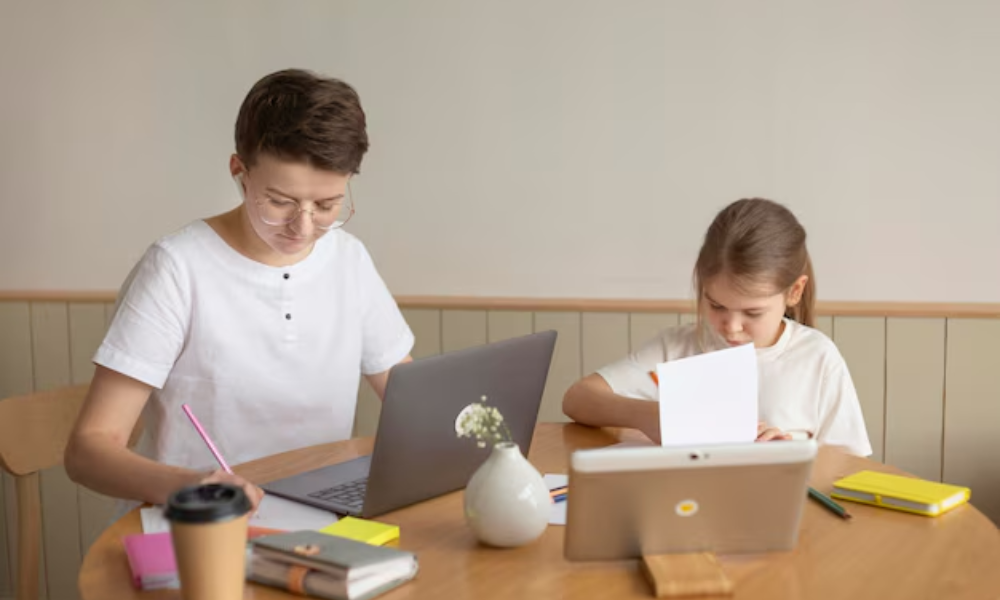
Uninvolved parents provide little guidance or attention, often due to stress, lack of resources, or personal issues.
Key Features
Low responsiveness and low demands
Minimal supervision or involvement
Children are left to make their own decisions
Impact on Children
Children may experience feelings of neglect, struggle academically, and face difficulties forming healthy relationships.
Other Emerging Types of Parenting Styles

In addition to the four classic types, modern studies identify newer approaches:
Attachment Parenting
Focuses on forming a strong emotional bond through practices like co-sleeping and extended breastfeeding.
Helicopter Parenting
Parents are overly involved, monitoring every aspect of the child’s life, which can limit independence.
Free-Range Parenting
Encourages independence by allowing children more freedom to explore and make decisions.
Analysis of the Types of Parenting Styles
Balancing Warmth and Discipline
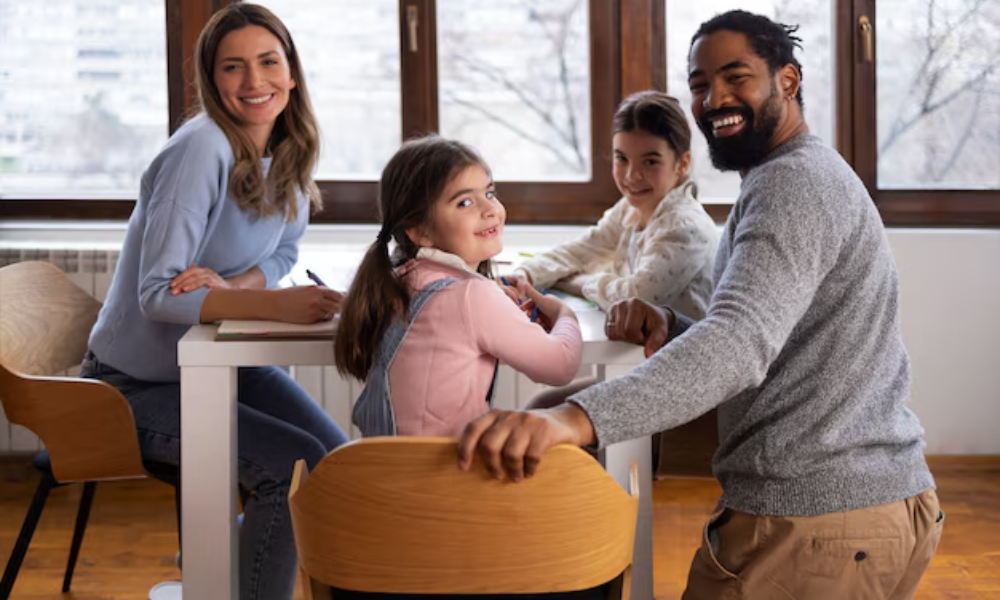
Authoritative parenting is widely regarded as the most effective because it balances love and structure. It promotes independence while ensuring children understand boundaries.
Cultural and Individual Influences
Cultural background, family values, and individual personalities shape which style parents adopt. What works in one culture may not be ideal in another.
Long-Term Impact
Authoritative: Encourages resilience, responsibility, and emotional intelligence.
Authoritarian: Can produce disciplined children but may harm self-esteem.
Permissive: May lead to creativity but also poor self-regulation.
Uninvolved: Associated with negative outcomes in academics and relationships.
Tips for Parents to Develop a Healthy Parenting Style

Practice open communication: Encourage children to share thoughts and feelings.
Set clear and consistent boundaries: Rules should be fair and age-appropriate.
Balance discipline with empathy: Correct behavior while maintaining trust.
Adapt as children grow: Parenting strategies should evolve with a child’s age and personality.
FAQs on Types of Parenting Styles
Q1. What are the main types of parenting styles?
Ans: The four main types of parenting styles are authoritative, authoritarian, permissive, and uninvolved.
Q2. Which parenting style is considered most effective?
Ans: Authoritative parenting is generally viewed as the most effective, balancing discipline with warmth and communication.
Q3. Can parents exhibit more than one parenting style?
Ans: Yes, many parents display a combination of styles depending on circumstances and the child’s behavior.
Q4. How do parenting styles affect a child’s future?
Ans: Parenting styles shape a child’s emotional health, academic success, and social skills, influencing long-term personality development.
Q5. Can parenting styles change over time?
Ans: Absolutely. Life circumstances, learning, and a child’s developmental stage can lead parents to adjust their style.

Like!! I blog frequently and I really thank you for your content. The article has truly peaked my interest.