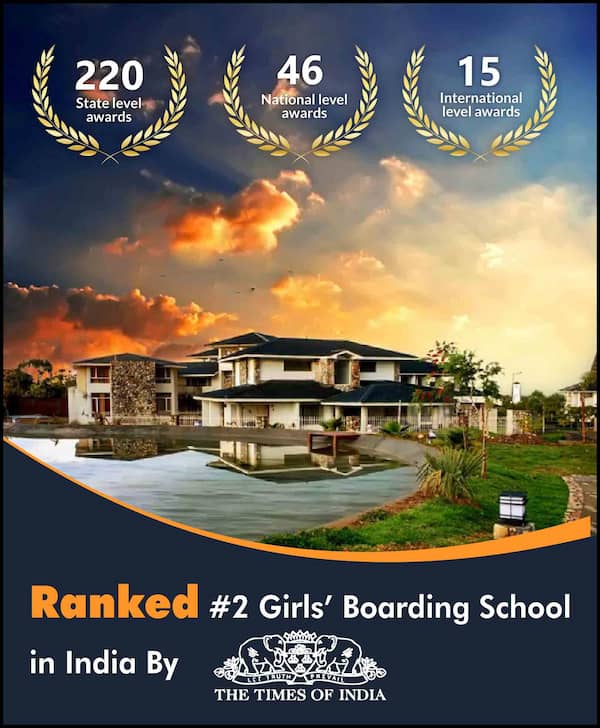




Choosing the right school is an important decision for parents. Beyond academics, children need an environment that helps them become confident, responsible, independent, and socially aware. This is where residential schools in India can offer a different educational experience.
Residential education combines classroom learning with structured living, extracurricular activities, and opportunities for personal growth. For many students, living on campus can help them develop skills that are useful both in school and in later life.
What Are Residential Schools?
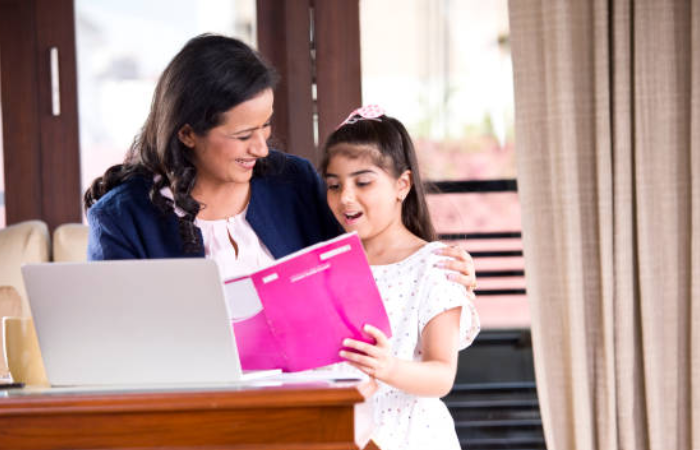
Residential schools in India provide students with both education and accommodation on the school campus. Students live in supervised residential facilities while attending their regular classes and participating in school activities.
Unlike a traditional day school, residential education gives students more opportunities to learn outside the classroom. Their daily routine may include academics, sports, activities, study time, social interaction, and personal responsibilities.
This creates an environment where learning becomes part of everyday life.
Key Benefits of Residential School Education
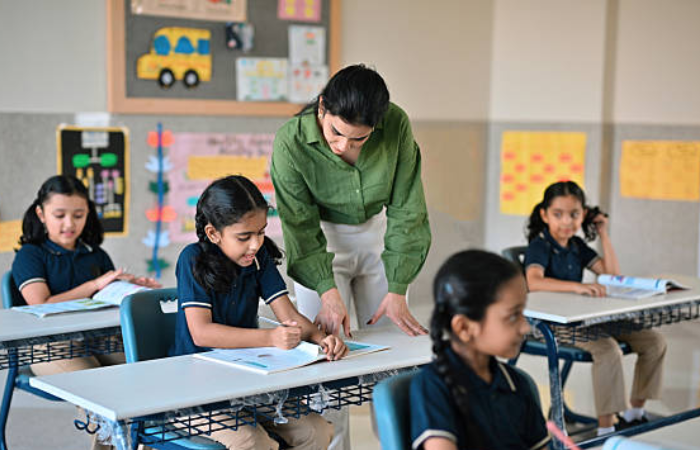
There are several benefits of residential school education, particularly when the school provides a safe, supportive, and well-structured environment.
1. Develops Independence
One of the biggest benefits of residential school education is that students gradually learn to manage responsibilities on their own.
Simple tasks such as organising belongings, managing schedules, preparing for classes, and following routines encourage students to become more responsible.
With guidance from teachers and residential staff, students can learn how to make appropriate decisions and handle everyday situations independently.
2. Encourages Time Management
Students in residential schools generally follow a structured daily schedule.
Their day may include:
- Classroom learning
- Self-study
- Sports
- Extracurricular activities
- Meals
- Rest and recreation
- Residential activities
Following such a routine can help students understand how to organise their time and balance different responsibilities.
Time-management skills can become particularly useful as students progress to higher education.
3. Supports Holistic Development
Education should involve more than academic achievement. Holistic development of students includes intellectual, social, emotional, physical, and personal growth.
Residential education provides opportunities for students to develop different abilities through academics, sports, creative activities, leadership opportunities, teamwork, and everyday interactions.
A well-designed residential environment can therefore support the holistic development of students alongside academic learning.
4. Builds Social Skills
Living and learning with other students gives children regular opportunities to interact with people from different backgrounds.
Students learn to:
- Communicate with others
- Work as a team
- Respect different viewpoints
- Share responsibilities
- Resolve everyday disagreements
- Build friendships
These experiences can help students develop stronger communication and interpersonal skills.
5. Provides More Extracurricular Opportunities
Another advantage of residential schools in India is the opportunity to participate in activities beyond regular classroom lessons.
Depending on the school, students may have access to:
- Sports
- Music
- Art
- Drama
- Clubs
- Debates
- Leadership activities
- Community initiatives
Because students remain on campus, schools can often integrate these activities more naturally into the daily routine.
6. Creates a Structured Learning Environment
A consistent routine can help students develop positive study habits.
Residential schools can provide dedicated study periods where students have access to teachers or academic support when needed.
This does not mean every student will automatically perform better academically. The quality of teaching, individual support, and the student’s own effort remain important factors.
However, a structured environment can make it easier for students to maintain regular study habits.
7. Encourages Responsibility
Living away from home under appropriate supervision can teach students to take greater responsibility for their daily choices.
Students learn that their actions affect not only themselves but also their classmates and the wider school community.
This sense of responsibility can contribute to maturity and personal growth over time.
8. Helps Students Build Confidence
New experiences can encourage students to step outside their comfort zone.
Taking part in a competition, joining a club, speaking in front of classmates, playing a team sport, or taking a leadership role can give students opportunities to discover their strengths.
With encouragement from teachers and peers, these experiences can gradually help students become more confident.
Choosing the Right Residential School
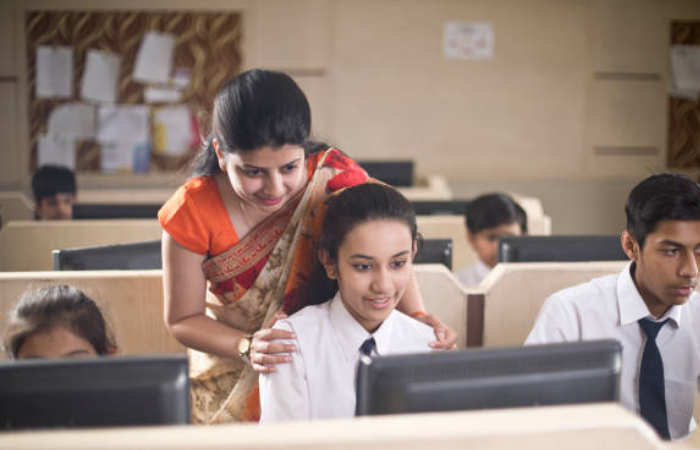
While there are many benefits of residential school education, the quality of the school environment matters greatly.
Parents should consider the following before making a decision:
Safety and Supervision
Ask how students are supervised throughout the day and night. Check the school’s policies for student safety, emergencies, and residential care.
Academic Support
Understand how the school supports students who need additional academic guidance.
Residential Facilities
Look at accommodation, dining facilities, recreation areas, healthcare arrangements, and common spaces.
Student Wellbeing
A good residential school should provide adults whom students can approach when they need guidance or support.
Activities and Sports
Check whether students have opportunities to participate in sports, creative activities, clubs, and other interests.
Communication With Parents
Regular communication between parents and the school can help families stay informed about a child’s academic and residential experience.
Is Residential Education Right for Every Child?
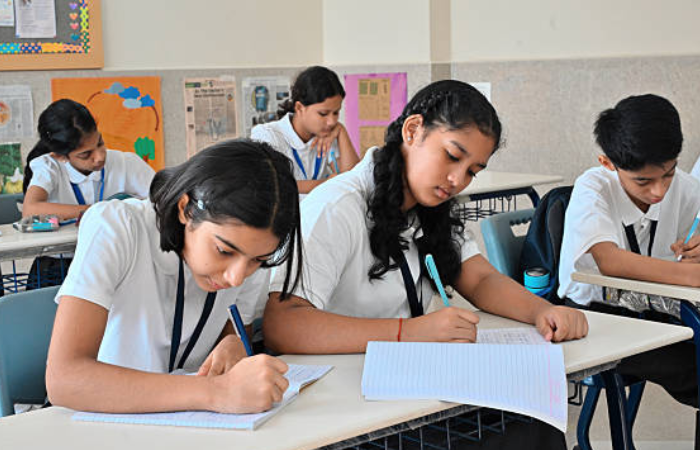
Not every child will have the same experience with residential education.
Parents should consider their child’s age, personality, independence, adaptability, interests, and comfort with living away from home.
It is also helpful to visit the school, speak with staff, understand the daily routine, and discuss the transition with the child before making a final decision.
The goal should not simply be to choose a residential school, but to find an environment where the child can learn, grow, and feel supported.
Residential Schools in India and Student Development
The experience offered by residential schools in India can extend beyond academic lessons. Students have opportunities to practise responsibility, manage their time, interact with peers, participate in activities, and make decisions within a supervised environment.
These experiences can contribute to the holistic development of students and prepare them for greater independence in the future.
However, residential education works best when academics, student wellbeing, safety, extracurricular activities, and pastoral support are treated as connected parts of the educational experience.
Conclusion
The benefits of residential school education go beyond simply providing accommodation on a school campus. A strong residential environment can give students opportunities to develop independence, responsibility, communication skills, time management, confidence, and teamwork.
For parents considering residential schools in India, it is important to look at the complete school experience rather than focusing only on academic results.
The right residential school should provide a safe and supportive environment where students can achieve academically while also developing the skills they need for life beyond school.
FREQUENTLY ASKED QUESTIONS
Q1. What are the main benefits of residential school education?
Ans: The main benefits include greater independence, structured routines, time management, social development, responsibility, and opportunities for extracurricular activities.
Q2. Are residential schools in India suitable for every child?
Ans: No. Parents should consider their child’s personality, maturity, adaptability, interests, and comfort with living away from home.
Q3. How do residential schools support holistic development of students?
Ans: They combine academics with sports, extracurricular activities, teamwork, leadership opportunities, social interaction, and everyday responsibilities.
Q4. Do residential schools help students become independent?
Ans: Yes. With appropriate guidance and supervision, students can gradually learn to manage routines, responsibilities, schedules, and everyday decisions.
Q5. What should parents check before choosing a residential school?
Ans: Parents should evaluate safety, residential facilities, academic support, student wellbeing, activities, supervision, school culture, and communication with parents.